

A Church in Lake Charles Where You're Welcomed In
No matter what brings you here, we're glad you came.
Walking in for the first time is the hardest part
Maybe it's been years since you've been to church. Maybe you've never been. Maybe this week has been harder than most. You don't have to have it figured out to come. You just have to walk in.
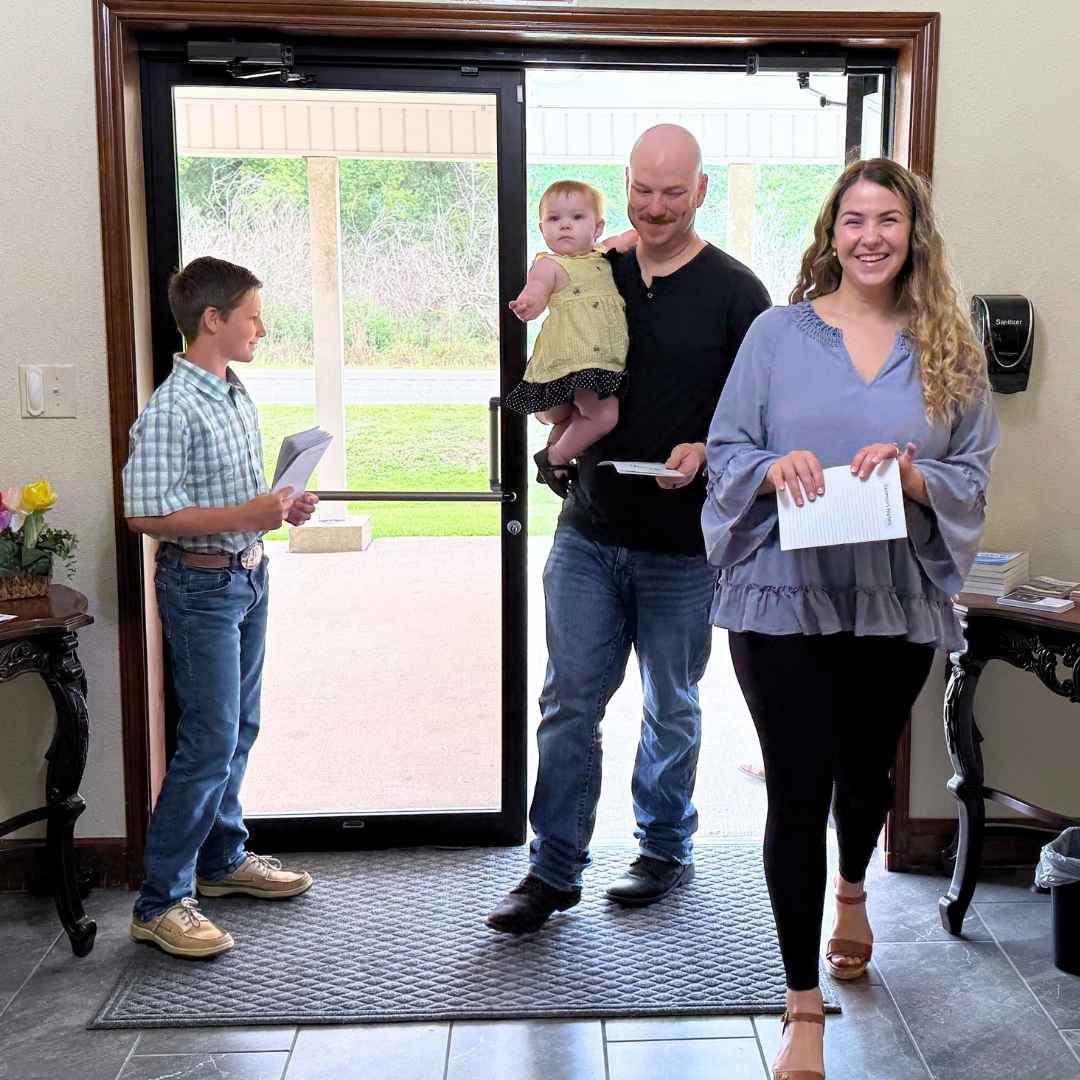
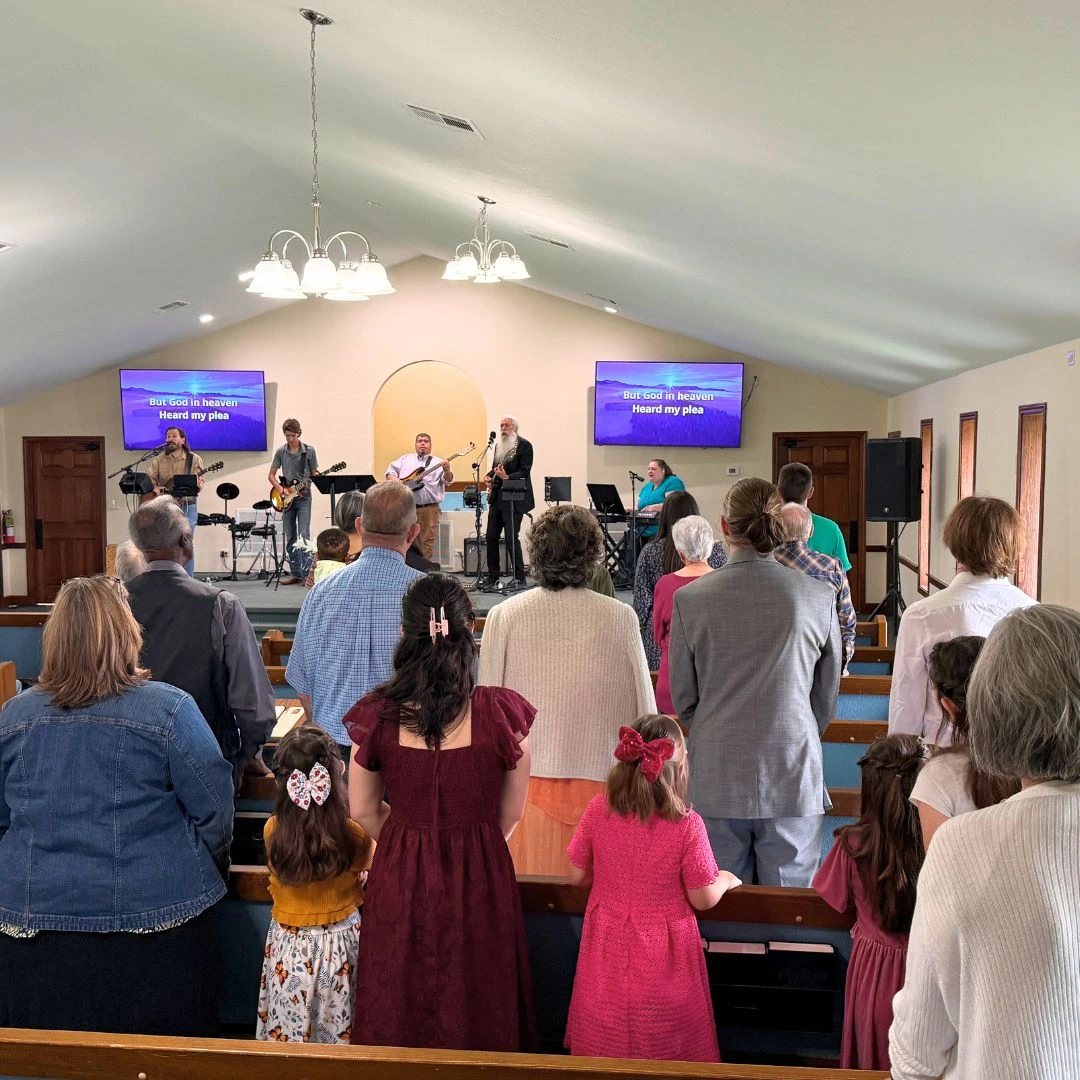
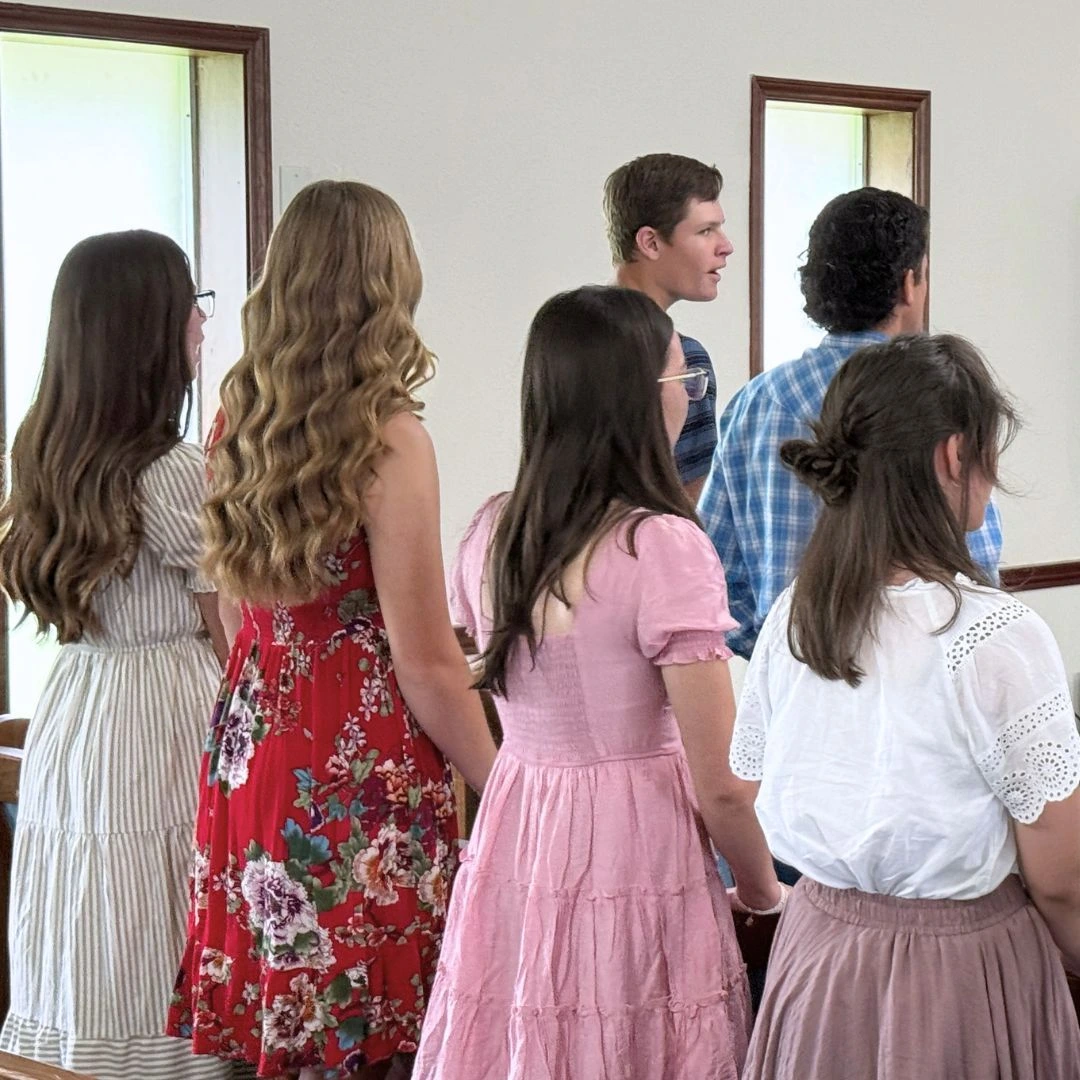
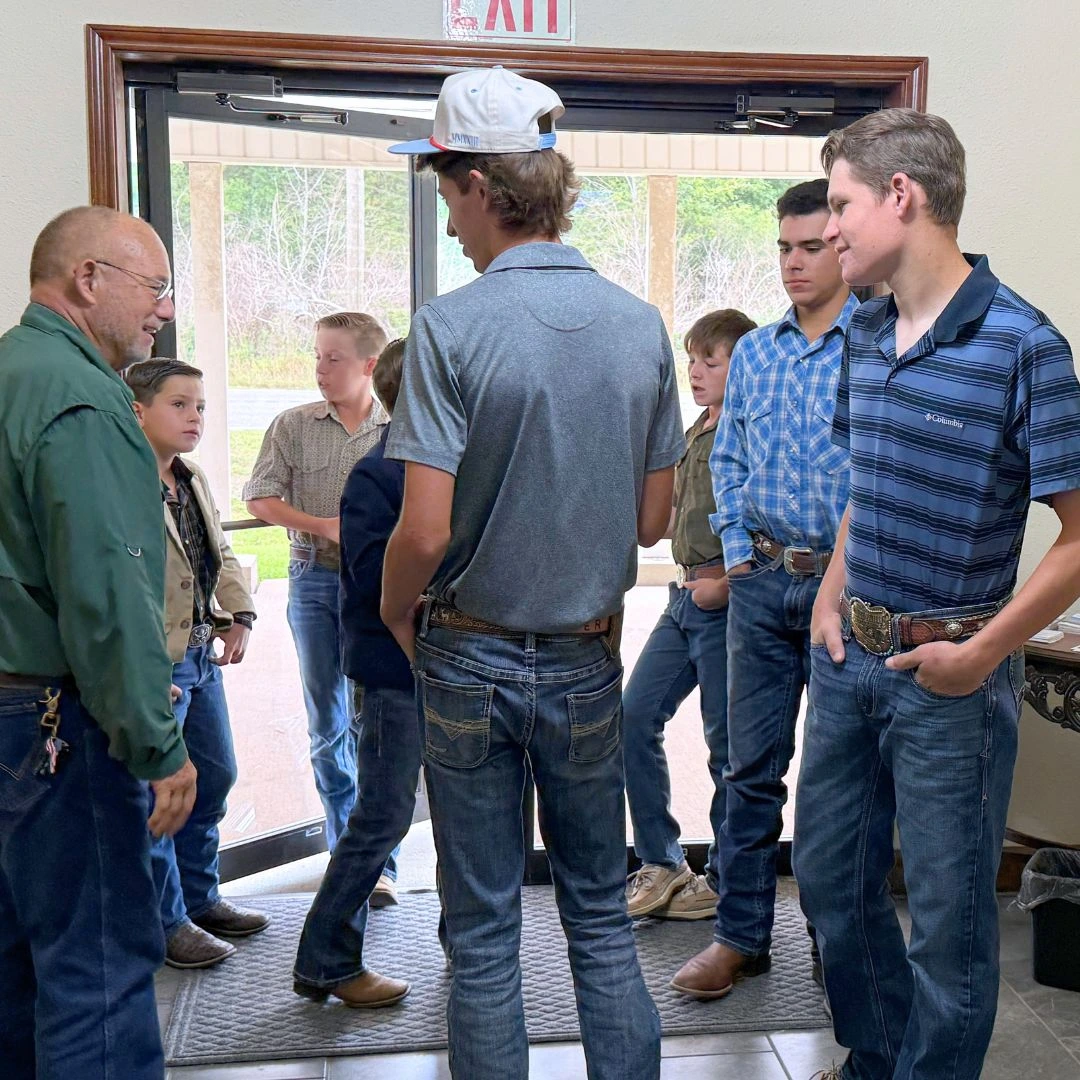
Here’s what to expect
Sunday mornings at 10:15 on Tom Hebert Road. Sunday School at 9:15 if you want to come early.
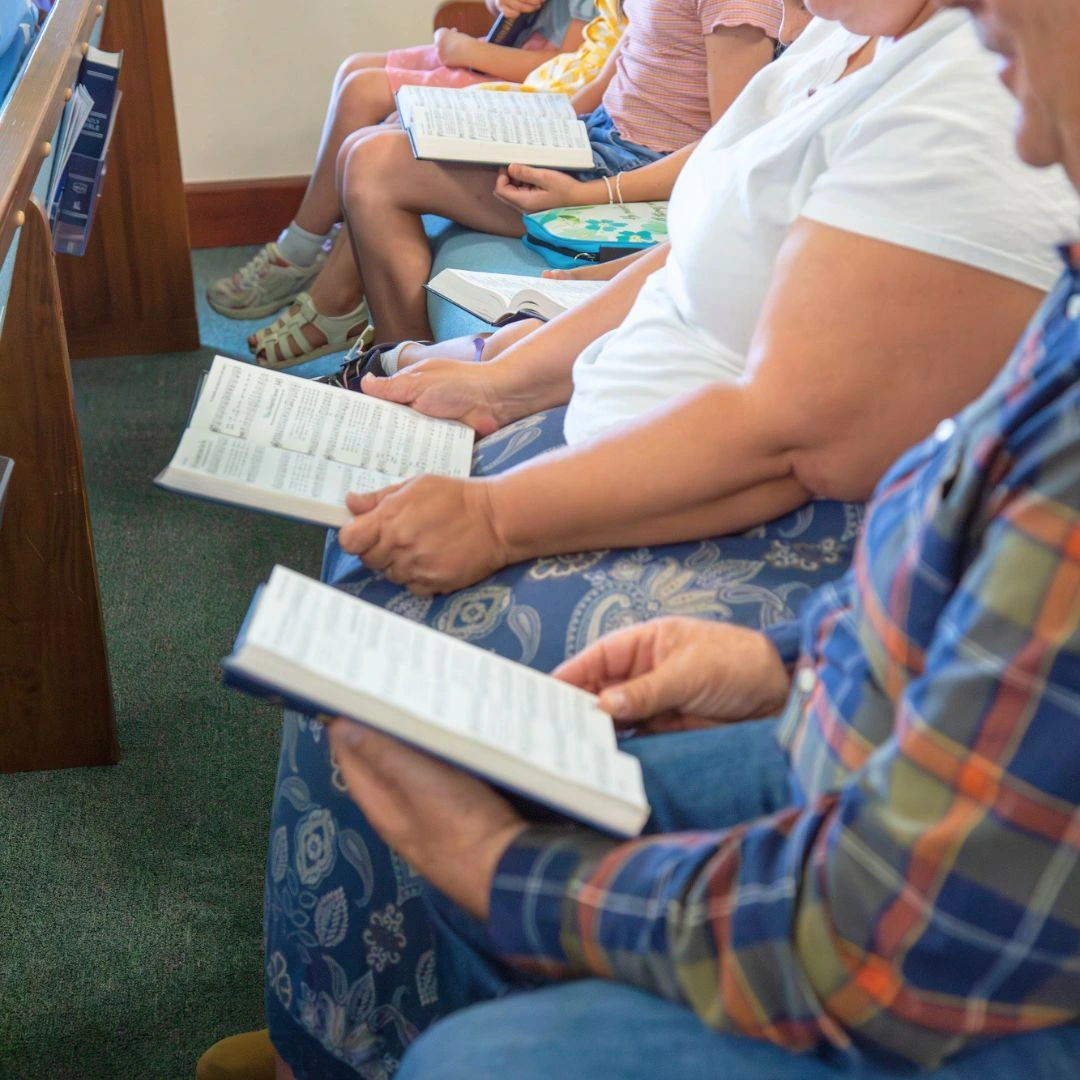
Wear whatever you'd wear to meet a friend for coffee. The music is singable, with a mix of contemporary songs and hymns. The message is from the Bible. No one will put you on the spot, and no one's going to ask you to stand up and introduce yourself.
Kids are welcome in the service with you. We have a staffed nursery for babies and little ones, and a cry room at the back of the auditorium for nursing moms. You can see into the service, close the blinds for privacy, and still hear everything over the speaker.
Sunday evenings at 6:00, we meet again for Bible study. It's more relaxed, and we take song requests.
More than Sunday
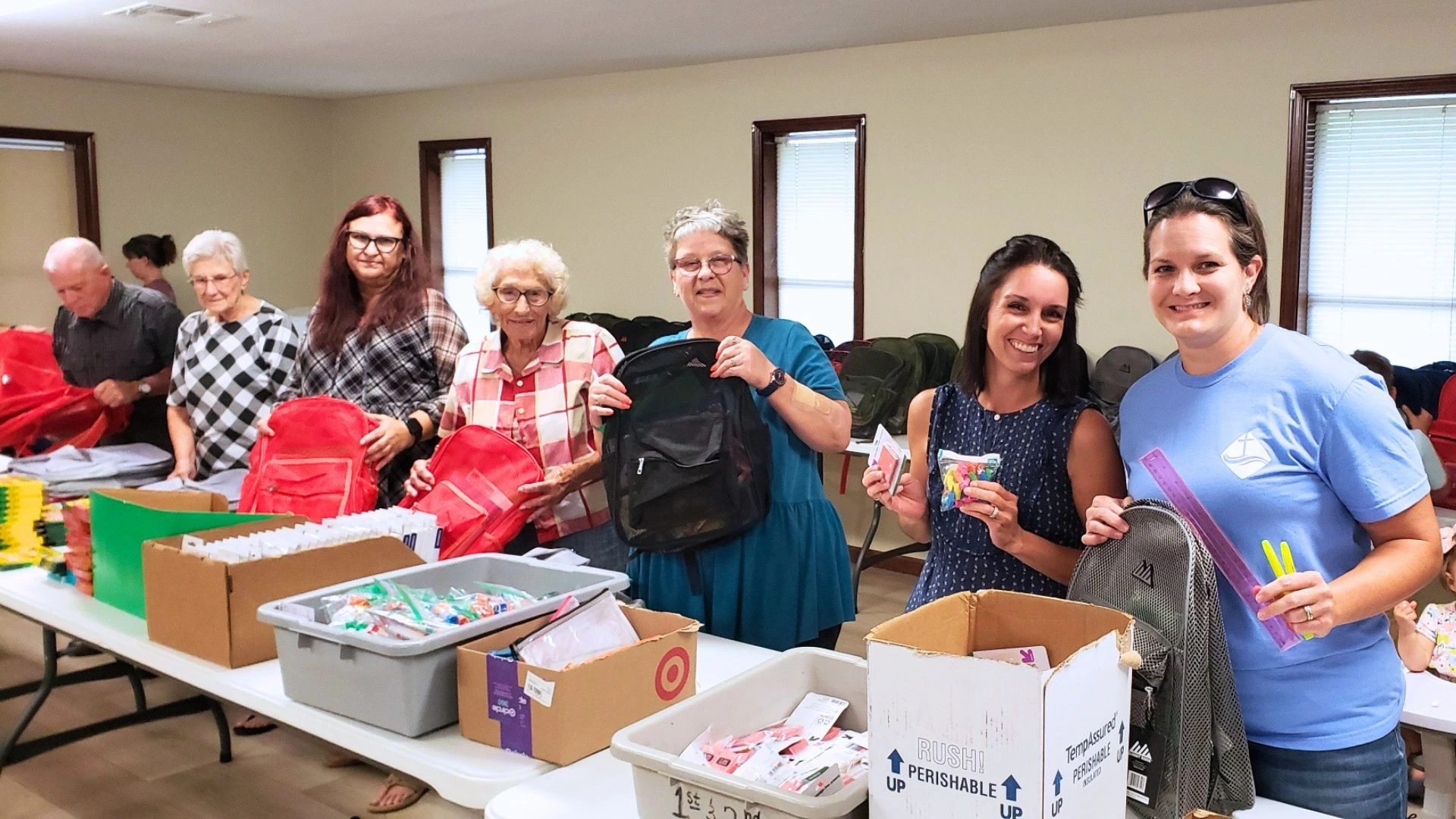
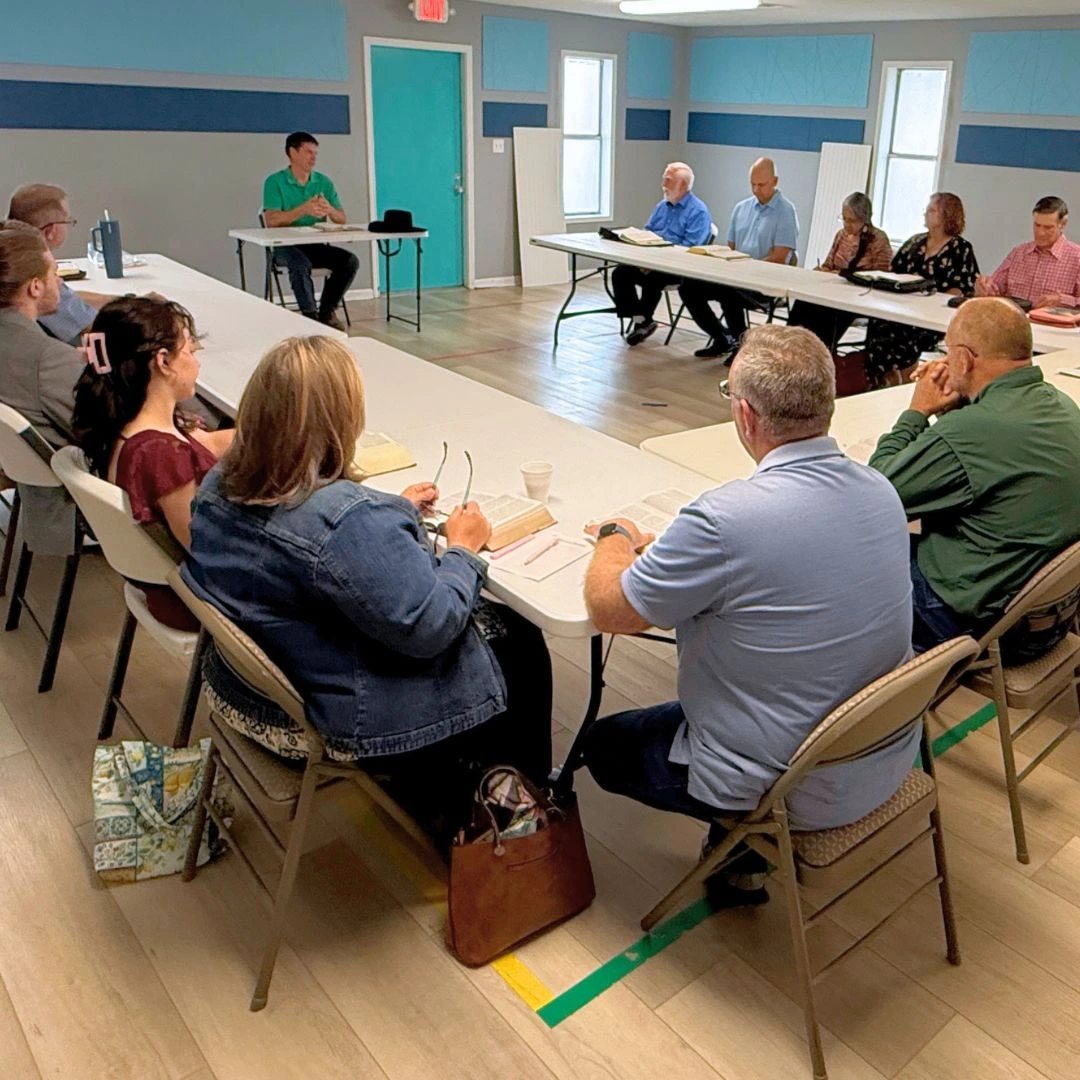
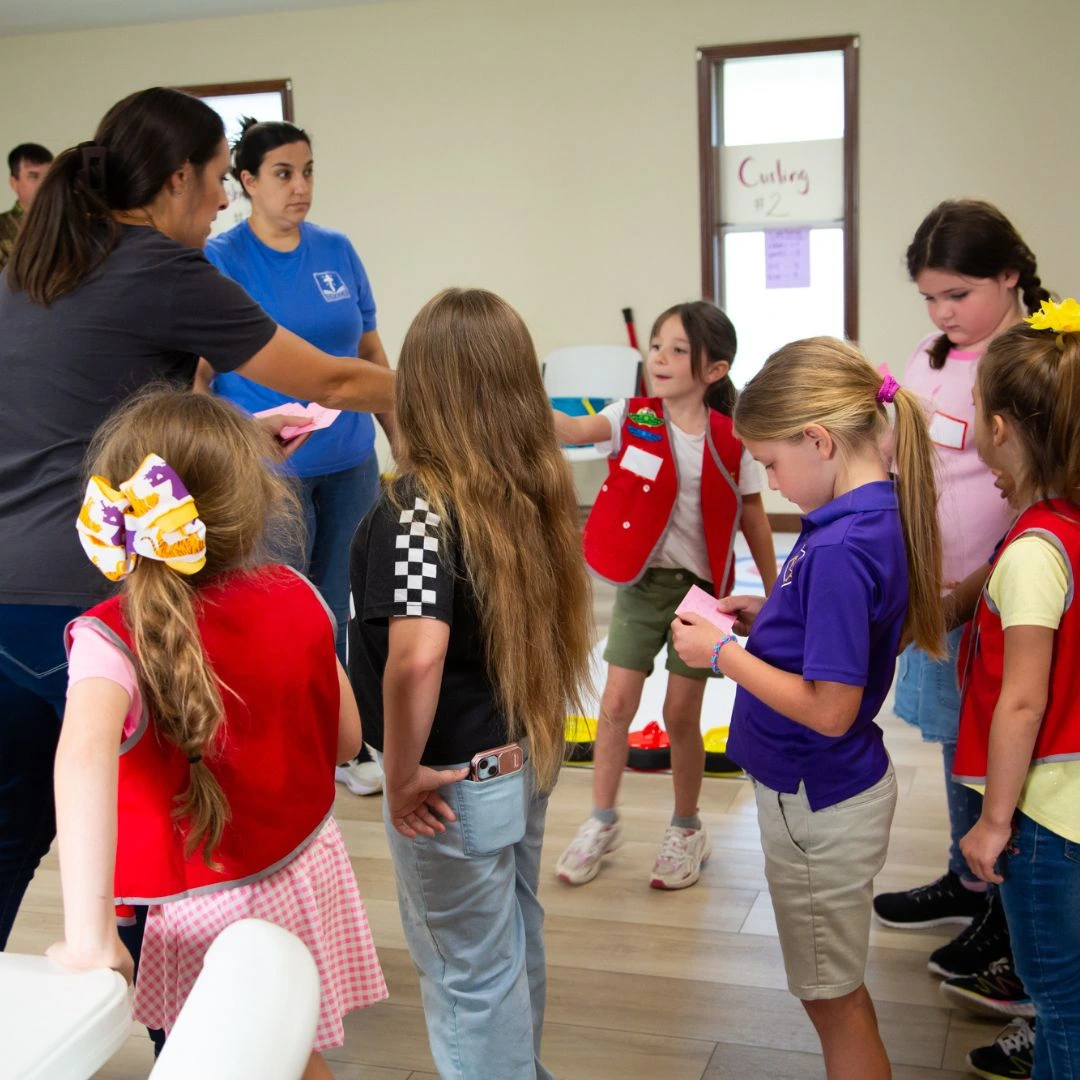
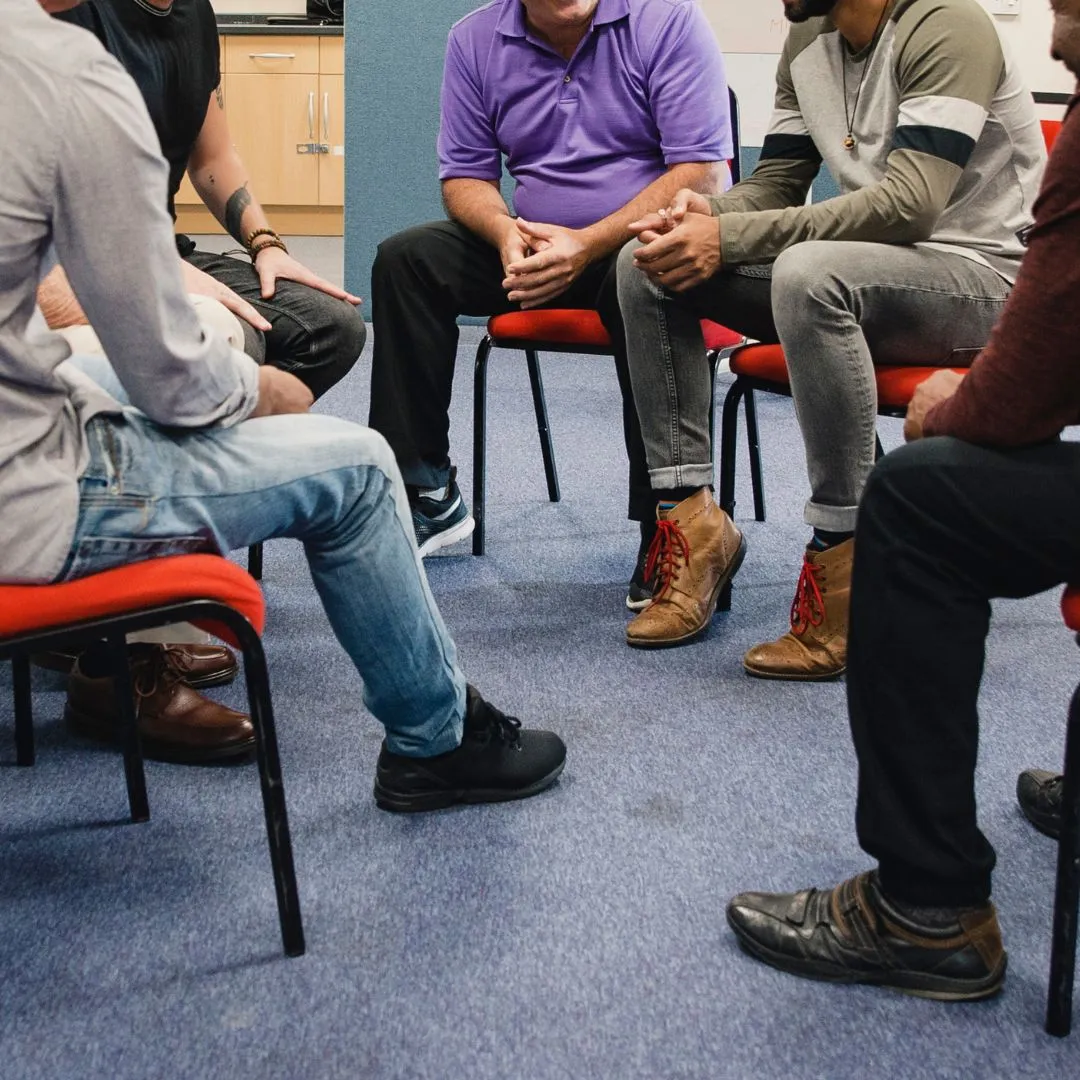
Sunday morning is the front door. What keeps people here is what happens after. Bible studies, small groups, meals together, and the kind of friendships that show up when life gets hard. Here are a few ways to find your place.


Updates From Our Church Family
A place to hear from Pastor Leger and what's happening across Faith's ministries. New posts go up as we have something to share.
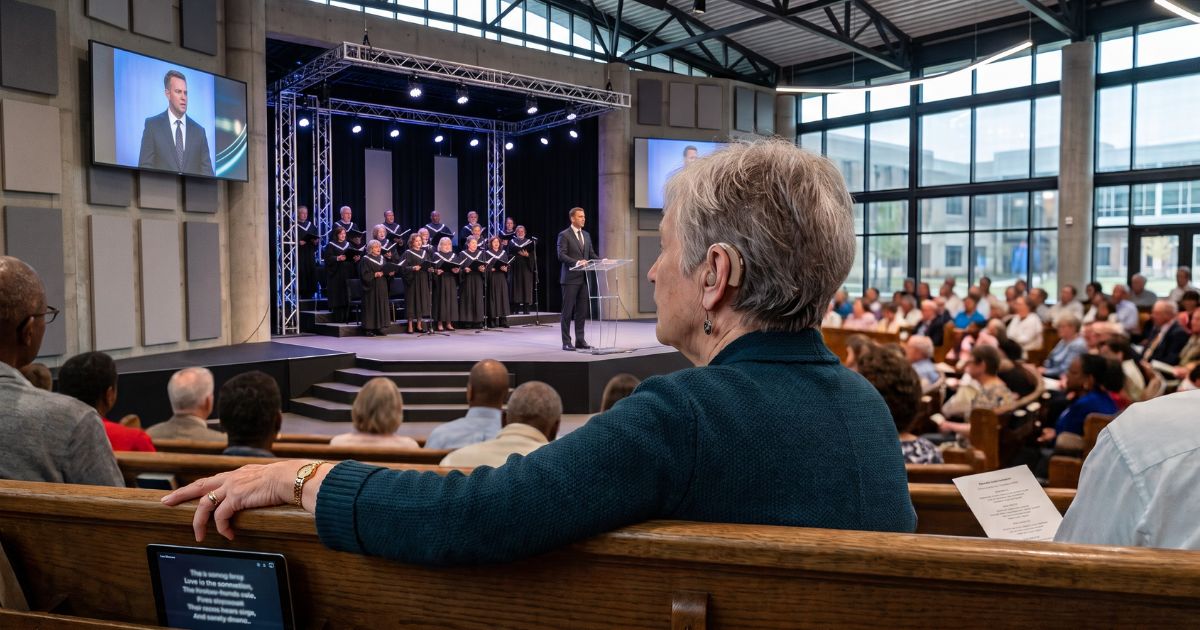
You Can Hear the Sermon Again: Auracast Is Now Available at Faith
Some of you have been leaning forward in your seat, watching the pastor’s mouth, filling in the words you missed. You've gone home from church tired from the effort of listening. You never said much about it, and I understand why. Starting this Sunday, you have another option. Faith Bible Church of Lake Charles now broadcasts our worship service audio via Auracast, so it goes straight to your ears. What Auracast Is Auracast is a new Bluetooth broadcast standard. Think of it like Wi-Fi, only for sound. Our transmitter sends the audio from the soundboard over the air, and your device tunes in to that broadcast. You hear the sermon, the Scripture reading, the announcements, and the songs, clean and clear, without the room noise and echo mixed in. This replaces the old assistive listening equipment that many churches still use. No neck loop. No fiddling with a receiver that squeals when you turn it up. The sound quality is better, and more than one person can listen at the same time without any loss. Why We Did This Hearing loss is common, and most people who have it stop mentioning it. They nod along, piece the sermon together from what they caught, and go home without saying anything. That bothers me. So then faith comes by hearing, and hearing by the word of God. (Romans 10:17) I take that seriously as a pastor. If the Word is preached and half of it never reaches you, something needs to change. Getting the sound to you is our job, and we've done something about it. Three Ways to Connect There are 3 ways to listen, and you can use whichever fits you. 1. Your hearing aids. Some newer hearing aids and cochlear implants receive Auracast broadcasts directly. If yours were made in the last couple of years, there's a good chance they can. Check with your audiologist, or bring them on Sunday, and we'll test them with you. 2. Your phone and earbuds. Some newer earbuds and phones can join an Auracast broadcast the same way they'd join a Wi-Fi network. Support is still growing, so this works on some devices and not others. Again, bring what you have, and we'll try it. 3. A loaner listening device from the church. If your devices don't support Auracast yet, we have listening devices you can request at the sound booth in the back of the auditorium. Put on the headset, and you're set. Return it on your way out. There's no cost, no signup sheet, and no need to explain yourself to anybody. How to Get Started This Sunday Come a few minutes early and stop by the sound booth in the back of the auditorium. Ask for a listening device, or ask for help connecting your own hearing aids or earbuds. Somebody there will get you set up. If it takes a few tries, that's fine. This is new for us, too, and we'd rather work it out with you than have you sit through another service missing half of it. For Family Members If you're reading this and thinking about your mother, your husband, or the friend you sit beside every week, be the one who brings it up. People with hearing loss often don't ask for help. They've learned to nod along and piece it together later. A gentle offer from you may be what opens the door. You can also come with them Sunday and stop by the sound booth together. It takes about 2 minutes. What You Should Know Going In Auracast is new technology, and device support is still catching up. Some hearing aids advertise Auracast but need a software update from the manufacturer before it works. If yours doesn't connect right away, don't give up on it. Use one of our listening devices for now, and check with your audiologist about an update. We'll keep the loaners available regardless. Nobody at Faith should have to buy new equipment to hear a sermon. Finding Auracast in Other Places Once you learn to use this, you'll want it everywhere else. Theaters, airports, doctors' offices, and other churches are starting to add it, though the rollout is uneven and there's no sign on the door telling you who has it. A site called HearFinder keeps a public map of venues with Auracast, hearing loops, and other assistive listening systems. You can search by city or zip code and filter by the type of place. If you're traveling or planning an evening out, check it before you go.
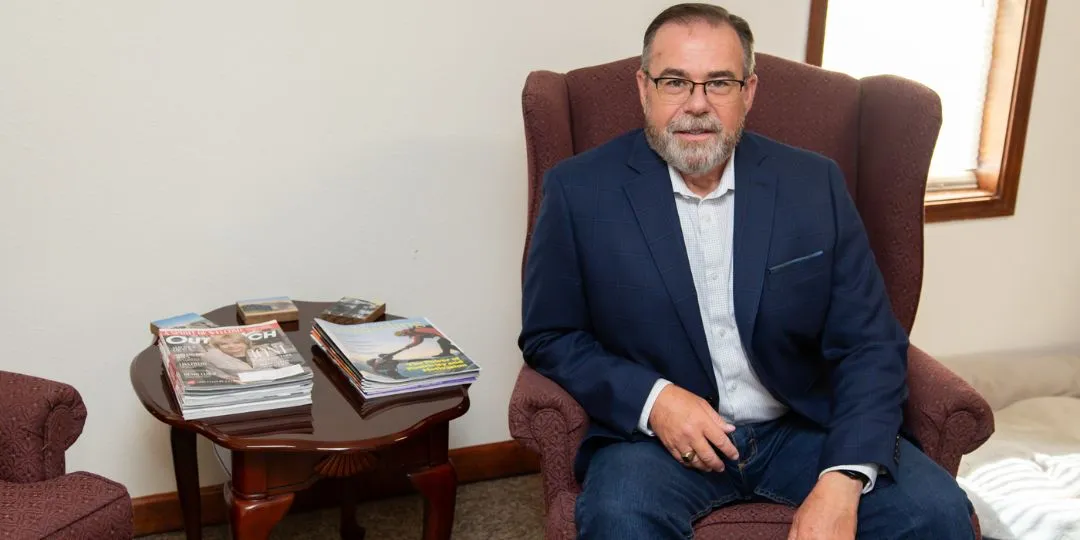
Pastor Bart Leger
Bart has pastored Faith Bible Church since 2003. Get to know who you'll be hearing on Sunday and learn a little about his story.
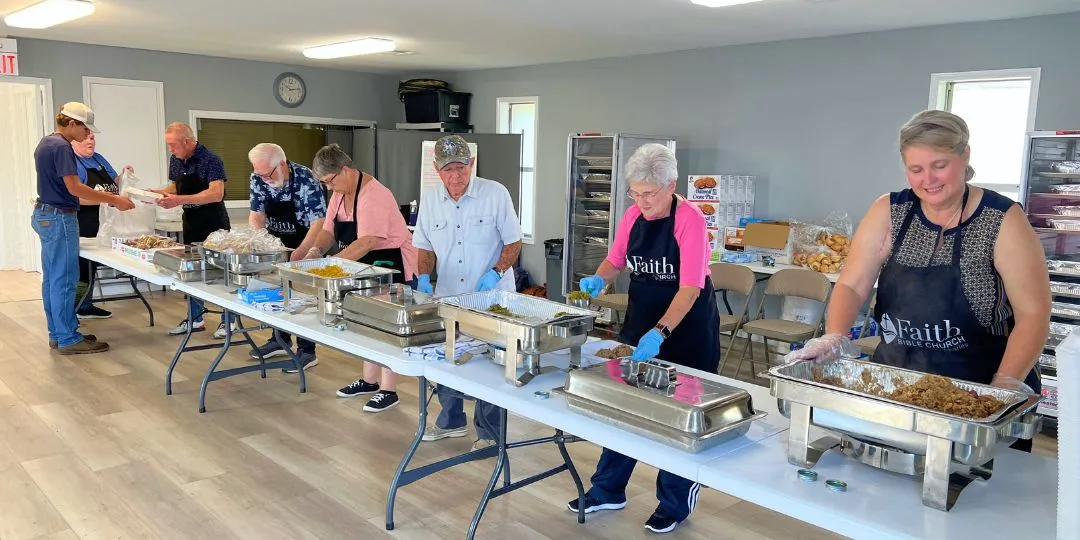
What’s Coming Up
Beyond Sunday morning, here's what's on the calendar. Take a look at upcoming services and events at Faith.
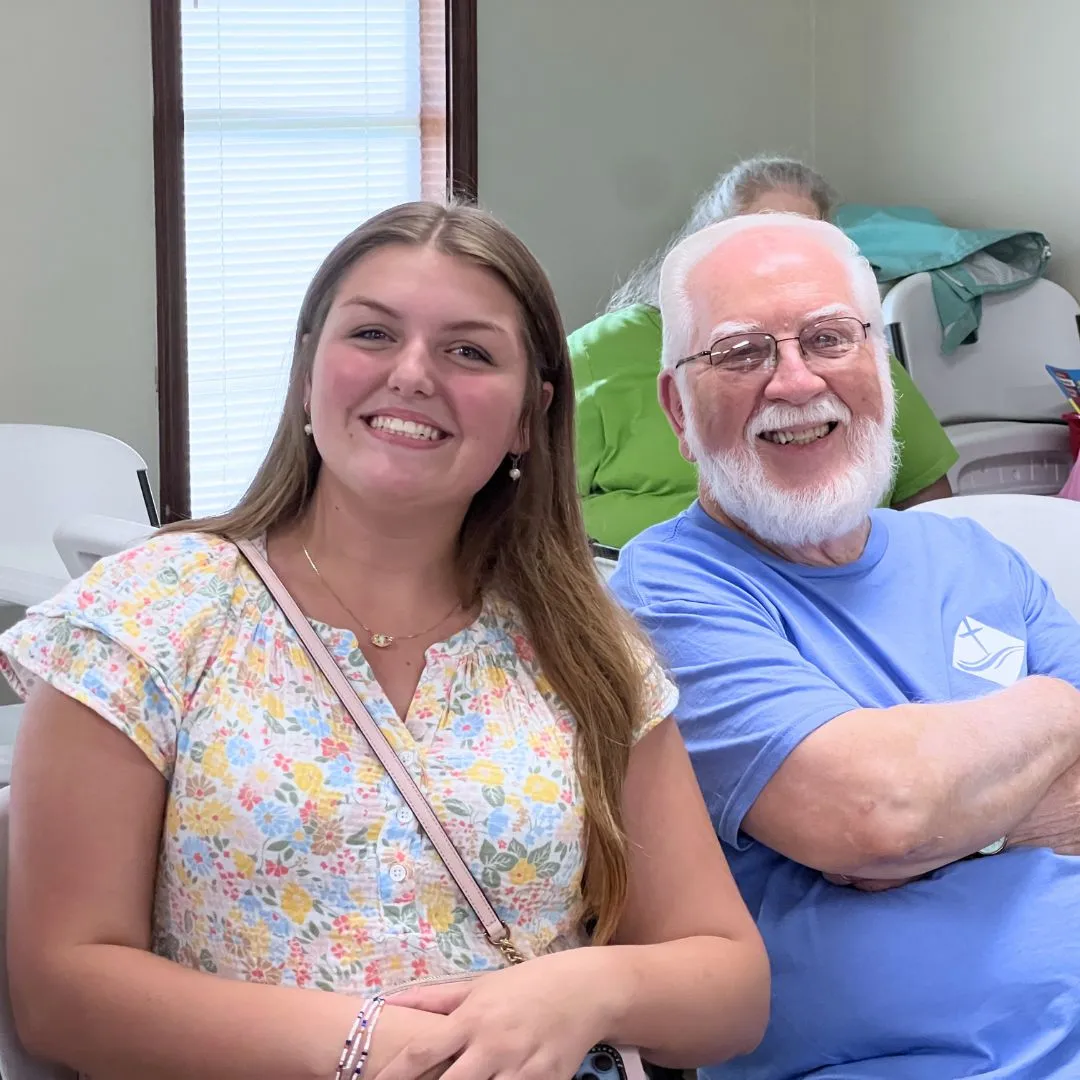
I’ve found my home
That's what we want you to be able to say when you leave on Sunday. Faith is a family. We worship Jesus together and show up for each other when things get hard. If that's what you've been looking for, we'd love to see you Sunday.

Copyright Faith Bible Church of Lake Charles 2026